


Lymphatic Drainage - 60 Min Gallery
$$MultiPurposeText$$
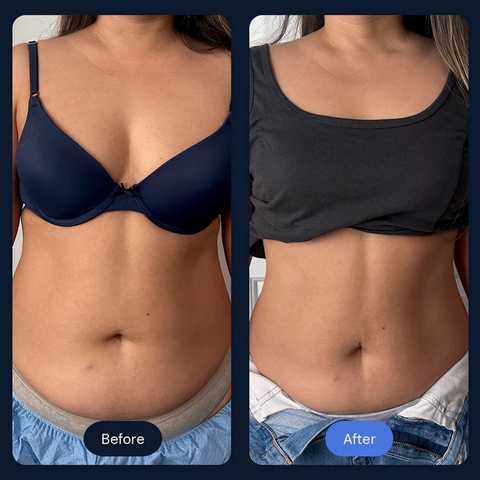
See examples of our Lymphatic Drainage - 60 Min work and results.





What Our Clients Say
$$MultiPurposeText$$
Read testimonials from our satisfied customers

Deborah is the best! I've lymphatic massage and regular. She knows what she's doing and al...more

Amazing lymphatic massage and she was a pleasure to talk to!

Mrs. D. Hunter is very professional.I received the lymphatic massage it was soo relaxing w...more

...more
Frequently Asked Questions
Get answers to common questions about Lymphatic Drainage - 60 Min.
You’ll experience slow, rhythmic, very light pressure and gentle stretches focused on guiding lymph toward nodes. The treatment feels relaxing and non-invasive, often inducing warmth or slight tingling as circulation improves.
Yes, when performed by a qualified therapist and with your surgeon’s clearance, MLD is commonly used post-operatively to reduce swelling, bruising, and promote healing. We tailor pressure and timing to your recovery stage.
Recommendations vary by need: one session may relieve acute bloating, while pre/post-op or chronic conditions often benefit from a series of 3–10 sessions spaced over days or weeks for cumulative effect.
Side effects are minimal; some clients feel mild fatigue, increased urination, or temporary lightheadedness as toxins mobilize. Staying hydrated and resting after treatment helps mitigate these transient effects.
Wear loose, comfortable clothing, hydrate well, and avoid heavy meals before your session. Inform your therapist about medications, recent surgeries, or medical conditions to ensure safe, personalized care.
Yes. MLD gently encourages lymph movement, which can reduce fluid retention and support the body’s natural detox pathways. Results may be immediate or improve progressively with multiple sessions.
Read more about Lymphatic Drainage - 60 Min
$$MultiPurposeText$$
Explore our latest insights and guides on Lymphatic Drainage - 60 Min.

Lymphatic Drainage Services in Kenwood: Types, Benefits & How to Choose
Published On: July 13, 2026